
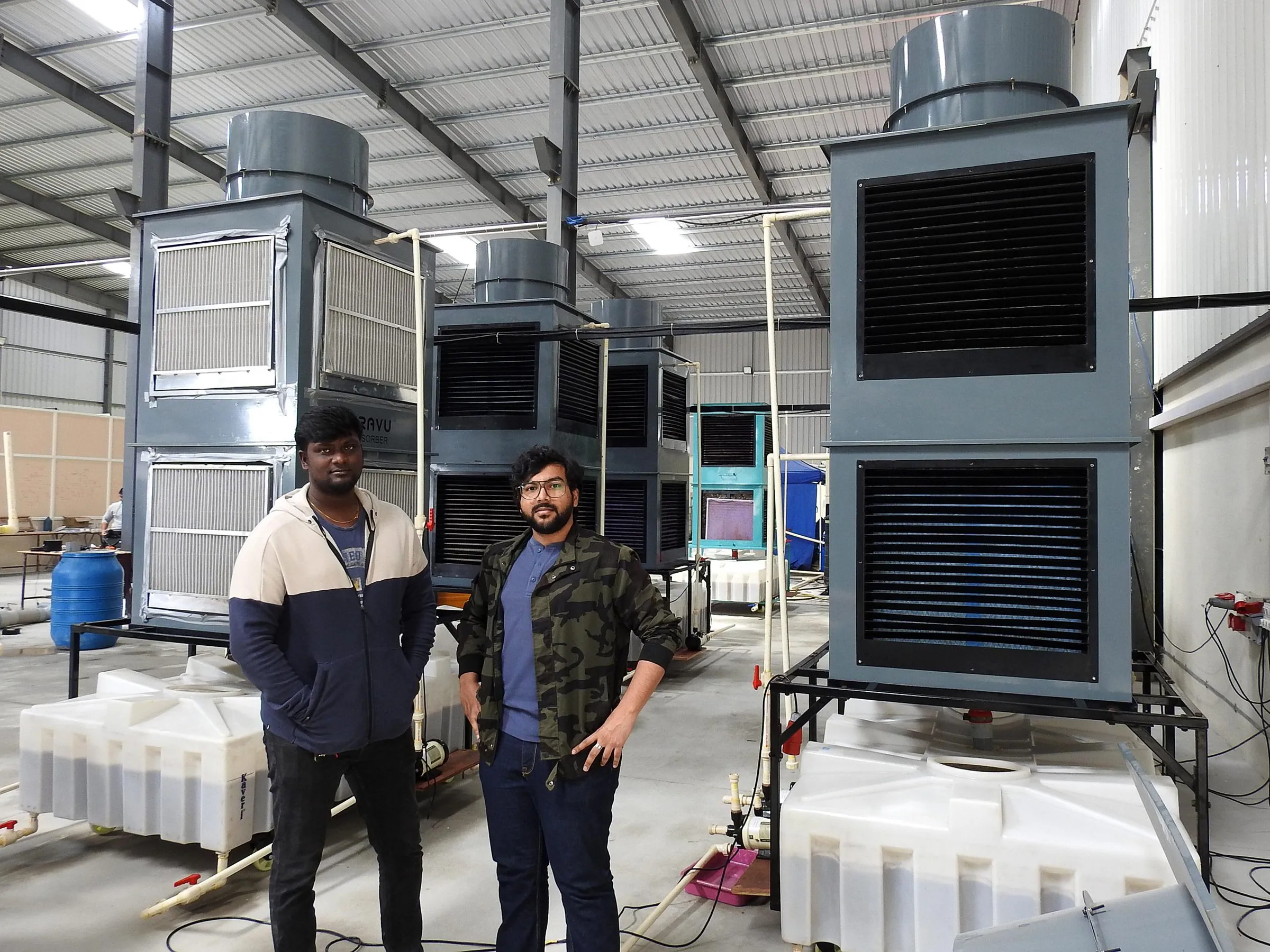
Water stress no longer feels like a far-off desert problem for many American households. Atmospheric water generation turns moisture in the air into treated water, which explains why the idea is moving from trade-show curiosity to a serious backup option for homes, worksites, farms, hotels, and disaster crews. The promise sounds almost too neat: pull vapor from humid air, clean it, mineralize it, and pour it into a glass. The truth is better than hype, but narrower. These systems work best when air holds enough moisture and power is affordable, which makes much of the Gulf Coast, Southeast, Mid-Atlantic, and parts of the Midwest more natural test beds than Phoenix in July. For readers tracking practical climate and consumer tech through fresh technology coverage, the real story is not a magic machine. It is a local water tool with limits you need to respect before you trust it. Used with care, it can turn weather into a small but steady drinking supply.
Why Atmospheric Water Generation Technology Is Moving From Novelty to Backup Supply
AWG feels new because the home and business market is still sorting itself out, but the basic physics is familiar. Cool warm, wet air enough and water drops out. That same thing happens on a cold soda can left on a porch in Houston. The machine version uses fans, coils, filters, tanks, sensors, and treatment steps so the water can be collected safely instead of left as random condensation. The U.S. EPA’s water research archive describes AWG as a way to make potable water from surrounding air, with interest rising during shortages, contamination events, and breaks in normal water service.
Why humid air matters more than the brochure
A water-from-air device is not pulling liquid from empty space. It is harvesting vapor that already exists. That detail matters because relative humidity can fool people. A damp 78°F morning in Savannah may hold far more water than a chilly, foggy-looking day in Maine. Warm air can carry more vapor, so temperature and humidity must be read together.
This is where humid air water systems make the most sense. In Florida, coastal Texas, Louisiana, and the Carolinas, a machine may have long stretches of friendly conditions. In inland desert regions, it has to work harder or use a different material design. The non-obvious point is that a rainy city is not always the best place either. If grid power is costly, filters are ignored, or the unit sits in a dirty garage, the water story falls apart.
For a homeowner, the first question should not be, “How many gallons does the ad claim?” Ask what the machine can make in your climate during the driest week you care about. A Miami backup plan and a Las Vegas backup plan are not the same animal. This is also where a home emergency water planning guide becomes useful, because the machine should fit into a wider plan instead of pretending to be the whole plan.
Where drinking water from air makes sense first
The strongest early use case is not replacing a city water line. It is keeping people supplied when normal systems are interrupted. A mobile unit at a hurricane response center, a construction trailer after a boil-water notice, or a remote ranch with poor well quality can make more sense than a suburban kitchen that already has safe tap water.
Think of a Gulf Coast hotel after a storm. The building may still have power from a generator, yet bottled water deliveries are delayed and the municipal system is under warning. A commercial AWG unit will not run the whole hotel like a private water plant. It can, however, support staff, medical needs, and a controlled drinking station. That is useful.
The same logic applies to small businesses that cannot shut down every time local water gets messy. A dental office, food prep site, or rural clinic still needs safe water handling rules. But having a second supply path can soften the blow. Backup water is not glamorous. It saves the day quietly. A second use case is harder to see at first: water independence for small daily needs. A family may use the unit for bottles, coffee, pet bowls, and an emergency shelf. That does not sound dramatic. Over a long summer, though, a modest daily habit teaches the household how the machine behaves before a storm turns that knowledge into value.
The Hardware Is Simple to Explain, Harder to Run Well
Once the “water from air” idea grabs attention, it is easy to skip the boring parts. That is a mistake. The boring parts decide whether the water tastes clean, whether the machine lasts, and whether your electric bill makes you regret the purchase. The core setup is usually a fan, a cooling or moisture-capturing stage, a collection tank, filtration, disinfection, and mineral balancing. Newer water harvesting technology may use desiccants or porous materials instead of relying only on chilled coils. ASU’s 2026 atmospheric water harvesting summit described condensation, adsorbent desiccant materials, and hybrid systems as major paths in the field.
Condensation units work like a smarter dehumidifier
Many common machines are close cousins of dehumidifiers, but with drinking-water treatment added. Air passes over cold surfaces. Moisture condenses. The liquid drains into a tank, then moves through filters and sterilization. The result can be clean only if the whole path is clean.
That last sentence carries the business risk. A cheap dehumidifier makes water you should not drink because dust, metals, microbes, and dirty tanks can contaminate the condensate. An AWG built for drinking has to manage those risks. EPA testing of a commercial unit found that untreated condensate and treated water needed close attention, and the study focused on microbial quality because organisms can grow when warm air, moisture, and surfaces meet.
Here is the counterintuitive part: the water can be too empty. Fresh condensate lacks the minerals that give normal drinking water taste and balance. Better systems often add minerals after purification. Without that step, water may taste flat, and users may distrust it even when the treatment train is doing its job. The tank design matters as much as the coil. If water sits warm too long, quality can slip. If the tank is hard to clean, owners may avoid the chore. A better unit makes maintenance obvious, with accessible parts and plain alerts. Fancy screens matter less than a tank you can actually reach.
New materials are chasing lower energy use
Cooling air takes power. In humid climates, that may still be acceptable for certain uses. In drier air, standard condensation becomes a grind. That is why research groups are chasing sorbents, hydrogels, metal-organic frameworks, and other materials that grab water vapor first, then release it on command.
The energy question is not a footnote. A peer-reviewed review in the NIH-hosted literature notes that collecting water vapor from air can help local scarcity, but it can also be energy demanding. This is the cost line that separates useful equipment from wishful thinking.
Some newer lab work uses heat, sunlight, pressure swings, or vibration to release captured moisture. That may sound distant from a homeowner’s garage, but it points to where the market is headed. The winning devices will not be the ones with the loudest “off-grid” label. They will be the ones that make a dependable gallon with less power, less maintenance, and fewer fussy conditions. That is why buyers should read spec sheets like utility bills, not like wish lists. Output, watt-hours per liter, recommended humidity range, filter cost, noise, tank volume, and service access all belong in the decision. An off-grid appliance buying checklist can help compare those details without getting dazzled by a polished product video.
Safety, Taste, and Trust Decide Whether People Keep Using It
People will try strange water once. They will only keep drinking it if it tastes normal and feels trustworthy. That is where the category faces its hardest public test. Americans are used to water that arrives through pipes, bottles, filters, or wells. Air-made water asks them to believe in a box. The box must earn that trust every day.
Clean collection is only the beginning
Making droplets is step one. Drinking them is another matter. Air can carry smoke, pollen, cleaning chemical vapors, salt spray, dust, and garage fumes. The machine does not get a pass because its source is “natural.” It needs placement rules, intake protection, filtration, disinfection, storage control, and a maintenance schedule that normal people will follow.
A unit installed in a coastal Alabama emergency shelter should not be treated like a countertop gadget. It needs trained eyes. Filters have to be changed. Tanks have to be cleaned. The intake should not face diesel exhaust from a generator. Those details are not small. They are the difference between a helpful water source and a public health headache.
This is why buyers should care about standards and third-party testing. NSF notes that voluntary national standards and protocols exist for many drinking water treatment products, even when federal rules for some residential devices are limited. For AWG, shoppers should ask for current test data, not vague purity language. There is also a placement issue most ads ignore. A kitchen, clean utility room, or sheltered office is different from a moldy basement. The machine breathes the room around it. If that room smells like paint thinner, smoke, or fuel, it is the wrong room for a device meant to make drinking water from air.
The taste problem is also a trust problem
Clean water that tastes odd will lose. People may say they want the purest water possible, but most do not enjoy water stripped of character. Municipal water, spring water, and filtered water all carry taste signals. Air-made water has to recreate enough of that familiar profile without turning mineral addition into a gimmick.
In a family kitchen, that means the first week matters. If kids say it tastes like plastic, the machine may become an expensive appliance nobody touches. If the water tastes flat, adults may save it for emergencies only. A smart seller will talk about remineralization, tank materials, and filter replacement instead of hiding those topics.
The non-obvious insight is that trust is built through routine, not crisis. A household that drinks a small amount from the unit every week will know how it tastes, how fast it fills, and when it needs service. A household that leaves it unplugged until a storm warning may discover problems when stores are already out of bottled water. Taste also affects equity. A shelter can install a machine, but if people dislike the water, they may crowd around bottled supplies instead. Good emergency planning includes taste tests, signage, clean cups, and staff who can explain the process in plain English. Confidence is part of the system.
The Best U.S. Uses Are Local, Seasonal, and Practical
The U.S. water map is messy. Some places have too little water. Some have old pipes. Some have flooding and still lose safe drinking service. That mixed reality is where this technology becomes interesting. It does not need to beat tap water everywhere. It needs to solve the right problem in the right place.
Homes, farms, and job sites need different math
A homeowner in Tampa may care about storm backup, plastic bottle reduction, and a few gallons a day for drinking. A California farm office may care about remote staff hydration, but not irrigation volume. A highway job site in Georgia may care about water access without constant bottle pallets. Each case has a different payback story.
That is why one-size claims do not help. A small home unit may be enough for coffee, pets, and drinking bottles, but not showers or laundry. A larger commercial unit may support crews, but it needs space, drainage, power, and service. The right comparison is not always tap water. Sometimes it is bottled water storage, delivery delays, staff downtime, or the cost of hauling water to a remote site.
Humid air water systems may look most appealing in damp states, yet the best buyer may be the one with fragile logistics, not the wettest climate. A rural clinic with unreliable delivery can gain more from modest output than a city condo with perfect plumbing. Need drives value. Run the numbers by season, not by the best month. Check output in your muggy season, shoulder season, and driest stretch. Then ask what happens during a power outage. A unit tied to solar and battery storage may make sense for a remote office. The same setup may be overkill for a townhome with safe tap water and a full grocery store nearby.
Disaster planning is the strongest near-term lane
Emergency use is where the technology has its clearest American role. Hurricanes, wildfires, floods, and freezes can break normal water routines in different ways. After a major storm, roads may be blocked. After a wildfire, ash and damage can complicate supply. After a hard freeze, pipes can burst across a city that never built for that cold.
AWG will not replace public water systems. That claim would be reckless. But a trailer-mounted unit paired with power, treatment checks, and trained staff could support shelters, first responders, and local distribution points. It gives planners another tool beside bottled water, tankers, and portable filtration.
The practical twist is that drinking water from air may be most useful before the disaster, not after it. Agencies and businesses need to test units during normal months, log output in local weather, train staff, stock filters, and build a cleaning schedule. A machine bought during panic is a gamble. A machine tested before hurricane season is a plan. For U.S. towns, the next smart step is boring pilot work. Put a unit at a fire station, school, clinic, or public works yard for a full season. Track gallons, power, downtime, filter changes, taste notes, and staff complaints. That data will beat any sales deck because it belongs to the community that has to use the machine.
Conclusion
The fairest way to judge this category is to stop asking whether it can “solve water scarcity” and start asking where it can reduce risk. That smaller question leads to better answers. In humid parts of the United States, air-made water can support homes, shelters, crews, and remote sites when ordinary supply chains bend or break. Atmospheric water generation deserves attention because it adds a new path to resilience, not because it makes pipes, wells, and public utilities obsolete. The next few years should separate serious systems from shiny appliances with weak math. Buyers should demand local output data, clear maintenance steps, safe materials, and honest energy numbers. Public agencies should test units before emergencies, not during them. That is the honest bargain. If you treat this technology as a disciplined backup tool, it can earn its place. If you treat it as magic, it will disappoint you. Choose the practical path and build your water plan before the tap goes quiet.
Frequently Asked Questions
How much water can an air-to-water machine make in one day?
Daily output depends on humidity, temperature, machine size, airflow, and power. A small home unit may support drinking needs, while larger commercial systems can serve teams or shelters. Always ask for output data based on your local climate, not ideal lab conditions.
Is water made from humid air safe to drink?
It can be safe when the unit is designed for drinking water and maintained correctly. Look for filtration, disinfection, clean storage, mineral balancing, and third-party testing. Never drink water from a normal dehumidifier, because it is not built for safe consumption.
Does this work in dry states like Arizona or Nevada?
Some systems can work in dry air, but output usually drops and energy demand may rise. Material-based designs may perform better than standard cooling units in low humidity. For desert use, ask for proof from similar climates before buying.
What is the biggest downside for home buyers?
The biggest downside is often operating cost plus maintenance. Filters, cleaning, electricity, and tank care all matter. A unit that looks affordable upfront can become frustrating if it makes too little water during dry weeks or needs service too often.
Can this replace bottled water during emergencies?
It can reduce bottled water dependence, but it should not be your only plan. Storms can knock out power, damage buildings, or limit maintenance access. A smart emergency setup includes stored water, filters, backup power, and tested equipment.
What is the best climate for drinking water from air?
Warm, humid regions are usually better for standard condensation systems. Coastal and Gulf states often offer friendlier conditions than dry inland areas. Local weather still matters, so compare performance across seasons instead of relying on annual averages.
Do air-to-water systems need minerals added back?
Many systems add minerals because condensate can taste flat after treatment. Mineral balancing can improve taste and user trust. The goal is not fancy water. It is water people will drink often enough to keep the system useful.
Should businesses consider water harvesting technology now?
Businesses with remote crews, storm exposure, high bottled-water use, or weak local supply should look at it. The best first step is a pilot test. Track gallons, energy use, maintenance time, taste feedback, and staff adoption before expanding.