
Edge computing is rapidly transforming how modern digital systems operate, especially as billions of connected devices generate massive volumes of data every second. Instead of relying only on centralized cloud servers, edge computing processes data closer to where it is created. This shift reduces delays, improves efficiency, and allows devices to respond almost instantly. From smart homes to autonomous vehicles and industrial sensors, the demand for faster and more reliable computing has never been greater. As digital ecosystems expand, edge computing is becoming a foundational technology that supports real time decision making and reduces pressure on traditional cloud infrastructure. It is also influencing how governments, businesses, and users interact with data driven services in everyday life.
Understanding Edge Computing in Simple Terms
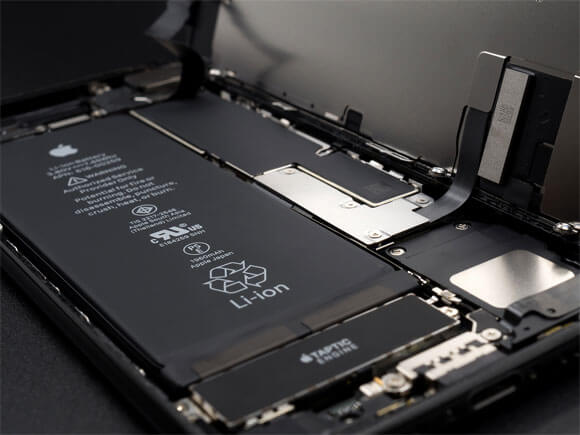
Edge computing refers to a system where data is processed near the source rather than being sent to distant servers. This approach improves response time and reduces network congestion. Devices like smartphones, cameras, and sensors can analyze information locally and act immediately when needed. In this evolving digital structure, even government related digital platforms such as pmmvy लॉगिन show how online systems are becoming more dependent on faster and localized data handling. The idea is not just about speed but also about improving reliability when internet connections are weak or unstable. By shifting computing power closer to users, edge systems create smoother and more efficient digital experiences across different sectors.
Why Speed and Responsiveness Matter
One of the biggest advantages of edge computing is its ability to reduce delay. In traditional cloud systems, data must travel long distances before it is processed and returned. This can cause slow response times, especially in applications that require immediate action. Edge computing solves this problem by processing data locally. This is essential for technologies like smart traffic systems, wearable health devices, and connected vehicles. Faster response times can improve safety, efficiency, and user satisfaction. As digital ecosystems continue to grow, industries are focusing more on distributed computing models that can handle increasing demands without slowing down performance.
Local Data Systems and Digital Infrastructure Growth
As digital transformation spreads across regions, local data platforms are becoming increasingly important. Systems like mahabhulekh pune highlight how land records and administrative data are moving toward digital accessibility. When such platforms integrate edge computing principles, users can access information faster and more securely without depending entirely on centralized systems. This improves public service delivery and reduces system overload during high traffic periods. It also ensures that critical data remains available even during network disruptions. By combining edge technology with local governance systems, digital infrastructure becomes more resilient and efficient for everyday users.
Security and Control in Distributed Computing
Security is a major concern in a highly connected world. Edge computing helps improve data protection by reducing the need to transfer sensitive information over long distances. Since data is processed closer to its source, there are fewer opportunities for interception during transmission. This approach strengthens privacy and gives organizations better control over how data is used. In addition, localized processing reduces dependency on a single centralized server, making systems more resistant to large scale failures. As more industries adopt smart technologies, edge based security models are becoming an essential part of digital strategy.
Expanding Digital Access in Government Services
Governments are increasingly adopting digital platforms to improve accessibility and efficiency. Systems such as apna khata rajasthan portal demonstrate how land and citizen services are becoming easier to access through online tools. Edge computing can further enhance these platforms by speeding up data retrieval and reducing server load. This ensures smoother user experiences even during peak usage times. It also helps rural and remote areas where internet connectivity may be inconsistent. By processing requests closer to users, government services can become more reliable and inclusive, supporting broader digital empowerment goals.
Smart Energy and Connected Living
Edge computing is also playing a growing role in sustainable development and smart energy systems. For example, platforms like pm surya ghar login represent the increasing shift toward digital energy management and solar adoption programs. When combined with edge technology, such systems can monitor energy usage in real time and optimize performance locally. This reduces delays in monitoring and helps users make faster decisions about energy consumption. It also supports national goals for cleaner and more efficient energy usage by improving system responsiveness and reducing dependency on centralized processing.
Conclusion
Edge computing is fundamentally reshaping how connected devices operate by bringing computation closer to the source of data. This shift improves speed, security, and reliability across industries ranging from healthcare and transportation to governance and energy management. As digital systems continue to expand, the importance of localized processing will only increase. Edge computing is not just a technological upgrade but a structural change in how data is handled in a connected world. It is paving the way for faster, smarter, and more efficient digital ecosystems that can better support the demands of modern life.